
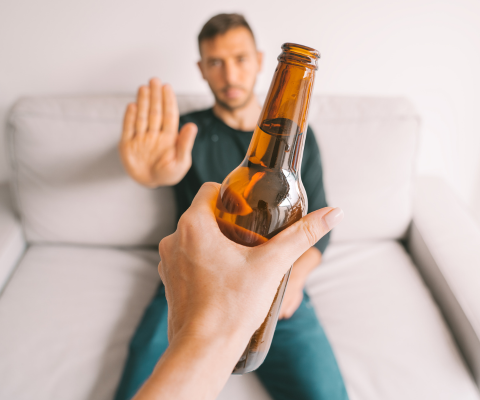
 With Dry July right around the corner, let’s talk about alcohol & the benefits of reducing alcohol when you are living with arthritis! It is important to note that alcohol’s impact on arthritis may vary depending on the specific type of arthritis and individual factors.
Taking a break from the booze is one of the best things you can do for your health. Not only are you giving your liver a break, but giving your body and your joints a break from the inflammation. Alcohol not only worsens joint pain, it can dehydrate the body thereby reducing the lubrication between the joints which can increase friction and irritation. Alcohol can also increase the level of uric acid in the blood, which can easily trigger gout. There are some medications that also don’t mix well with alcohol like non anti-inflammatory steroidal drugs (NSAID’s) , some biologics and Disease modifying rheumatic drugs (DMARDS). If you are one to experience flare ups are drinking alcohol, it is often because alcohol is what we know to be pro-inflammatory. If you are taking any medications, the higher the risk of complications like gastrointestinal bleeding.
So by reducing and giving up alcohol, you can expect the following benefits:
- More manageable joint pain.
- Better control over flare ups.
- Increased efficacy of medication.
- Reduced risk of medication interactions and side effects.
- Reduced risk of co-morbidities – Cardiovascular disease, type 2 diabetes, stroke and cancer!
Plus;
- Better sleep – alcohol might help us fall asleep, but it leads to poorer quality sleep
- Less snacking – drinking stirs hunger, and can also lead to sub-optimal food choices (like your late-night cheeseburger run)
- Less hangover remedies – greasy bacon and eggs, and fast food are pretty common the morning after drinking, meaning the effects of your weekend drag on.
- More movement
If you want to start reducing your alcohol consumption but not sure where to start, we’ve got some simple tips:
- Building your support network – By Telling other people about your plans to stop drinking can help you be accountable to your goal.
- Avoid places where you’d normally drink (for a while) -Try to hang out with people during the day rather than the evening — this can help at the start.
- Swap evening drinks at a bar for coffee at a cafe before work. Or meet up with a mate for a walk or swim on Friday night instead of heading to the pub.
- Set goals and reflect on them – Keep yourself on track by setting small, achievable goals with timeframes so that you have a clear plan.
- Start slowing down your alcohol intake – you could halve what you already consume or try some of the new non-alcoholic drinks available.
- If you are going out for a social occasion that involves drinking – mocktails, soda water & lime, non-alcoholic beers and wines can be fun to substitute with.
- Remove all temptation from the household and ask a friend/family member to store it away for you.
- Get active – there would be no better time to start a new exercise plan or routine.
- Reflect on the benefits of reducing/abstaining from alcohol and remind yourself why it is important.
If you are a regular drinker, behaviour change is hard because humans are wired for habits, it can take a few go’s and few failed attempts before you get there. It will be worth it at the very end.
Below I have attached two recipe’s for some fun-mocktails, full of nutrients which you can easily make in your own home to see how easy it is to swap from an alcoholic beverage to non-alcoholic.
Sparkling Berry Limeade:
Ingredients:
- 1/2 cup mixed berries (such as strawberries, raspberries, or blueberries)
- 1 tablespoon lime juice
- Sparkling water or soda water
Instructions:
- In a glass, muddle the mixed berries with a spoon until they are slightly crushed, releasing their juices.
- Add the lime juice to the glass and give it a gentle stir to combine.
- Fill the glass with ice cubes.
- Top up the glass with sparkling water or soda water until it is almost full.
- Stir gently to mix the ingredients together.
- Garnish with a slice of lime or a few fresh berries if desired.
- Serve immediately and enjoy your refreshing Sparkling Berry Limeade!
Mocktail Pina Colada:
Ingredients:
- 1 cup pineapple juice
- 1/2 cup coconut milk
- 1/4 cup coconut cream
- 1 tablespoon lime juice
- 1 tablespoon honey or agave syrup (optional, for added sweetness)
- Crushed ice
- Pineapple slices and maraschino cherries (for garnish)
Instructions:
- In a blender, combine the pineapple juice, coconut milk, coconut cream, lime juice, and sweetener (if desired).
- Add a handful of crushed ice to the blender and blend on high speed until all the ingredients are well mixed and the mixture is frothy.
- Taste the mixture and adjust the sweetness or tanginess by adding more sweetener or lime juice, according to your preference.
- Prepare serving glasses and fill them with crushed ice.
- Pour the mocktail mixture into the glasses, dividing it evenly.
- Garnish each glass with a pineapple slice and a maraschino cherry.
- Serve immediately and enjoy your refreshing Mocktail Pina Colada!
Mary Zagotsis
Health Educator
Arthritis NSW
June 2023